The first few minutes of a phonics lesson are crucial because they:
- Grab students’ attention – Young learners need an engaging hook to focus.
- Activate prior knowledge – Connecting new sounds to what students already know improves retention.
- Set clear objectives – Students learn better when they understand the lesson’s purpose.
- Build confidence – A structured start helps struggling readers feel supported.
A well-planned introduction ensures students are mentally prepared to absorb
new phonics concepts.
1. Begin with a Warm-Up Activity
Before diving into new material, engage students with a quick, fun activity that reviews previous lessons. Examples include:
- Letter Sound Review – Show flashcards and have students say the sounds.
- Rhyming Games – Ask, “What rhymes with ‘cat’?”
- Sound Segmentation – Say a word like “dog” and have students break it into /d/ /o/ /g/.
Why it works: Activates prior knowledge and primes the brain for new learning.
2. Introduce the Phonics Objective Clearly
State what students will learn in simple terms, such as:
- “Today, we’ll learn the /sh/ sound, like in ‘ship’ and ‘wish.’”
- “By the end of this lesson, you’ll be able to read words with the silent ‘e.’”
Tip: Use visual aids (posters, PowerPoint slides) to reinforce the objective.
3. Use a Multi-Sensory Approach
Children learn best when multiple senses are engaged. Try:
- Auditory – Say the sound aloud and have students repeat.
- Visual – Show the letter(s) and related images (e.g., “sh” with a picture of a shoe).
- Kinesthetic – Have students trace letters in sand or form them with playdough.
Why it works: Reinforces memory through different learning styles.
4. Incorporate a Story or Song
Stories and songs make phonics memorable. Examples:
- Read a short book emphasizing the target sound (e.g., “Sheep in a Jeep” for the /sh/ sound).
- Sing a phonics song (e.g., “The Letter Sounds Song” by Jack Hartmann).
Tip: Add hand motions to songs for extra engagement.
5. Model Blending and Segmenting
Demonstrate how to:
- Blend sounds – Slowly say /c/ /a/ /t/, then faster to form “cat.”
- Segment words – Say “sun,” then break it into /s/ /u/ /n/.
Why it works: Helps students connect individual sounds to whole words.
6. Interactive Practice
Get students involved immediately with:
- Echo Reading – You say a word, they repeat.
- Whiteboard Dictation – Say a sound, students write it
- .Sound Hunts – Find objects in the room with the target sound.
Tip: Keep activities short (3-5 minutes) to maintain focus.
7. Check for Understanding
Before moving on, ask:
- “Who can tell me the sound we’re learning?”
- “Can you give me a word with this sound?”
Adjust instruction if students seem confused.
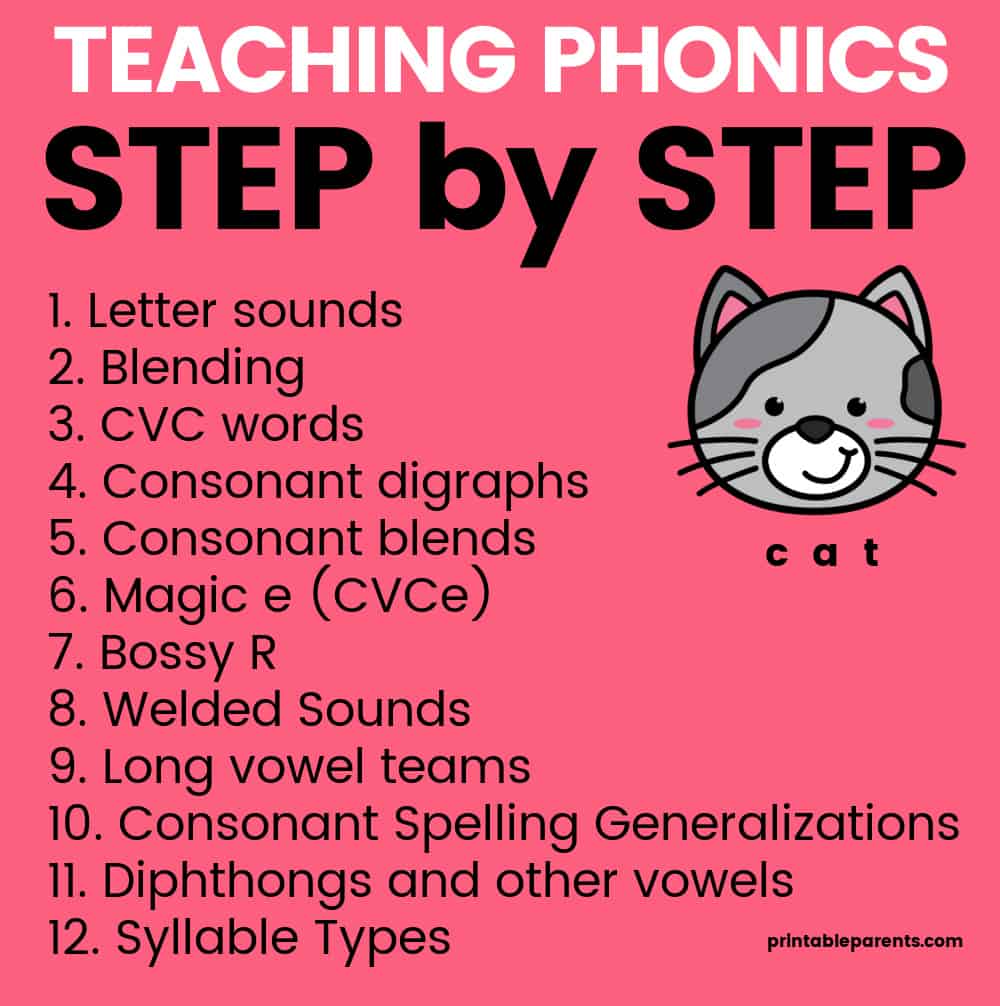
Here are more creative ways to kick off a phonics lesson:
1. Mystery Sound Bag
- Place objects in a bag that start with the target sound (e.g., “m” – mouse, magnet).
- Let students pull them out and guess the sound.
2. Phonics Hopscotch
- Write letters on the floor; students hop and say the sounds.
3. Digital Phonics Games
- Use apps like Starfall or Phonics Hero for interactive sound practice.
4. Sound Bingo
- Call out sounds, students mark matching letters on their bingo cards.
1. Skipping the Review – Jumping straight into new material can leave struggling students behind.
2. Unclear Objectives – Students need to know what they’re learning and why.
3. Too Much Teacher Talk – Kids learn by doing, not just listening.
4. Ignoring Multi-Sensory Learning – Relying only on worksheets limits engagement.
5, Moving Too Fast – Some students need more repetition before moving on.
After the lesson introduction, check progress with:
- Quick Oral Drills – “What sound does ‘ch’ make?”
- Exit Tickets – Students write one word with the target sound before leaving.
- Small Group Observations – Listen to students read aloud in pairs.
Starting a phonics lesson effectively sets students up for success by engaging them from the first minute. By incorporating warm-ups, clear objectives, multi-sensory activities, and interactive practice, you’ll create a strong foundation for reading skills.
Key Takeaways:
✔ Begin with a fun, quick review.
✔ State the lesson objective clearly.
✔ Use songs, stories, and hands-on activities.
✔ Check understanding before moving forward.
With these strategies, your phonics lessons will be more dynamic, effective, and enjoyable for young learners!
Q: How long should the introduction of a phonics lesson be?
A: Aim for 5-10 minutes—enough to engage but not lose attention.
Q: What if students don’t grasp the sound right away?
A: Repeat with different examples, use tactile materials, or try peer tutoring.
Q: Can I use technology in phonics introductions?
A: Yes! Interactive whiteboards and phonics apps can enhance engagement.
Q: How often should I review previous sounds?
A: Daily review strengthens retention, especially for struggling readers.